Boom Lift vs Scissor Lift: How to Choose the Right Aerial Work Platform
Choosing between a boom lift and a scissor lift is one of the first decisions any height-access project faces. Both are aerial work platforms, but they suit different tasks. This guide explains the differences in plain terms so you can specify the right machine and avoid costly mismatches that slow the job or force a second rental.
Aerial work platform technology comparison
How Each Platform Moves
A scissor lift raises the platform straight up on a criss-crossing mechanism. The platform stays level and the operator faces upward, which is ideal for ceilings, fixtures, and flat vertical work. A boom lift uses an articulating or telescopic arm to reach up and out, letting the basket swing over obstacles and position beside a structure. That difference alone decides most selections before any other spec is considered.
Side-by-Side
- Scissor lift: vertical only, larger platform, higher capacity, needs firm level ground
- Boom lift: up and out, smaller basket, works over barriers, available on rough terrain
- Indoor use: electric scissor lifts and compact electric booms dominate
- Outdoor/rough ground: 4×4 diesel booms and heavy scissor lifts excel
Popular aerial platform models
Match the Machine to the Task
Choose a scissor lift for warehousing, retail fit-out, painting, and ceiling service where you go straight up. Choose a boom lift for façade work, tree trimming, bridge maintenance, and anywhere the basket must clear a fence, machine, or roof edge. If you need to reach over something, a boom is usually the only option, and an articulating joint helps tuck the basket into tight spaces.
Think About Ground and Access
Scissor lifts need a solid, level surface and a wide-enough doorway for indoor models. Boom lifts, especially rough-terrain types, handle slopes, gravel, and unfinished sites. Always check ground bearing and the access route before delivery, and confirm the machine's slope limit matches the actual site.
Cost and Training
Scissor lifts are generally cheaper to buy and simpler to operate; boom lifts cost more and demand more operator training because of their range of motion. For mixed fleets, many contractors keep both and assign each to the work it does best, which also smooths utilisation across the fleet. Still unsure? Wanlitong's team can review your site and recommend the correct platform type and working height.
Frequently Asked Questions
When should I choose a scissor lift over a boom lift?
Choose a scissor lift for straight-up work—warehousing, retail fit-out, painting, ceiling service—where the platform stays level. Choose a boom lift when the basket must reach up and out over fences, machines, or roof edges.
Do scissor lifts need special ground?
Yes. Scissor lifts need a solid, level surface and a wide-enough doorway for indoor models. Rough-terrain and diesel boom lifts handle slopes, gravel, and unfinished sites far better.
Which is cheaper to run?
Scissor lifts are generally cheaper to buy and simpler to operate; boom lifts cost more and need more operator training. Mixed fleets often keep both and assign each to the work it does best.
Can one operator run both types safely?
With training, yes, but the skills differ: scissor lifts are intuitive vertical lifts, while boom lifts add range-of-motion judgement and over-obstacle positioning. Wanlitong recommends role-specific training and a pre-operation checklist so operators moving between types stay aware of each machine's limits.
Need a maintenance spare-parts kit?
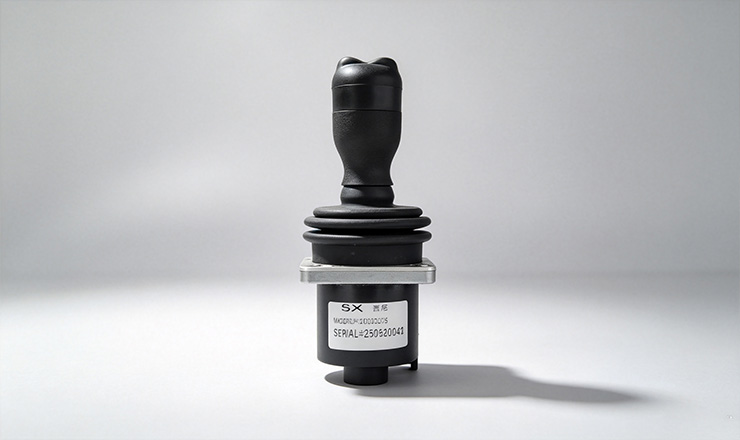
Joystick, E-Stop, limit switch, cables — factory-direct.