
Aerial Work Platform Safety: The Pre-Operation Inspection Checklist
A few minutes of inspection before each shift prevents most aerial work platform incidents. Whether you run a boom lift, a scissor lift, or a telehandler with a platform, a consistent pre-operation check protects the operator and everyone below. This article walks through a field-proven checklist you can adopt today, and it pairs naturally with your site's existing permit-to-work process.
Technician performing pre-operation inspection
Before You Power On
Start with a visual walk-around. Look for hydraulic leaks, cracked welds, damaged tyres, and missing decals. Confirm the ground is firm, level, and clear of hazards, and that the access route is open. A quick check of the area above the machine—power lines, beams, pipework—prevents the most severe class of incident before the platform even moves.
Structure and Guarding
- Rails, gates, and toe-boards intact and latched
- No cracks or deformation on boom or scissor members
- Decals and capacity plates legible
- Tyres inflated; no exposed cords
Control panel and fault indicators
Function Check with Platform Lower
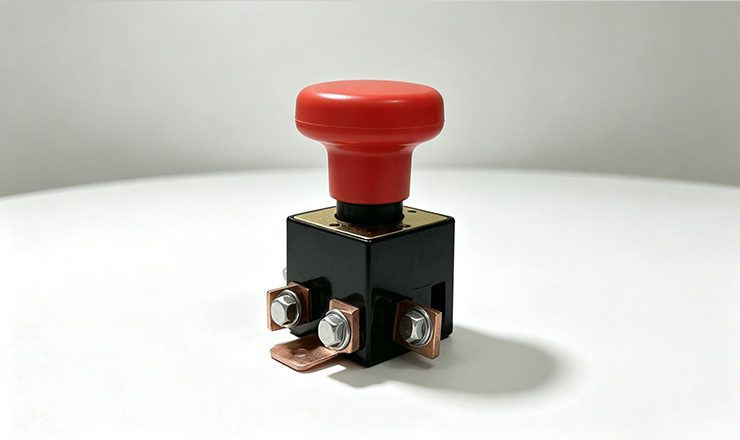
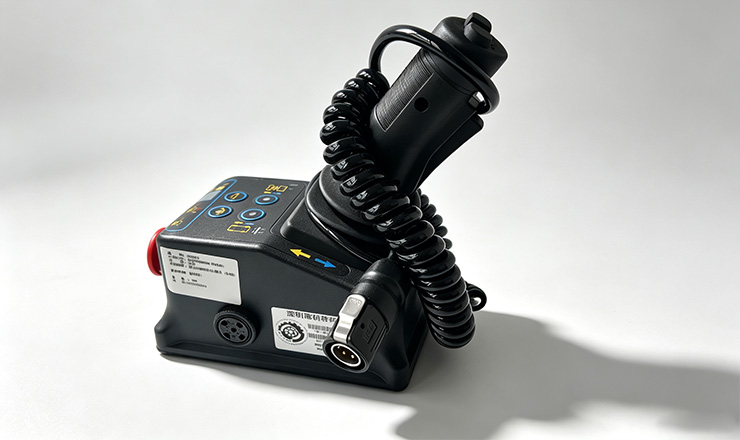
With the platform on the ground, test each control: up/down, drive, steer, and any auxiliary function. Verify the emergency stop buttons on both the platform and the base cut power instantly. Check that limit switches stop travel at the ends of travel, and that the tilt and overload alarms sound when provoked in the test mode described in the manual.
Controls and Alarms
- Joystick and control handle respond smoothly, no dead spots
- Tilt and overload alarms sound and react correctly
- Warning beacon and horn operate
- Emergency descent works if power fails
During Use
Never exceed rated capacity or drive with the platform raised on forbidden models. Keep the load centred, and stay inside the allowed wind and slope limits. If a fault appears, lower and tag the machine out of service so the next operator is not exposed to an unmanaged risk.
Record and Report
Log the inspection and any defect. A small issue—say a sticky limit switch or a weak beacon—is cheap to fix and expensive to ignore. Wanlitong's OEM spare parts, from switches to chargers, keep these checks passing shift after shift. Training every operator to this checklist is the single highest-return safety investment a fleet can make.
Frequently Asked Questions
How long should a pre-operation inspection take?
A few minutes per shift: a visual walk-around for leaks, cracks, and tyres, confirmation of firm level ground, then a function check of controls, alarms, limit switches, and both emergency stops with the platform lowered.
What must I test before powering up the platform?
Verify rails, gates, and toe-boards are intact, decals and capacity plates are legible, and tyres are sound. Then, with the platform down, confirm every control, the tilt and overload alarms, and emergency descent.
What if I find a fault?
Lower the machine and tag it out of service so the next operator is not exposed. Log the defect and fit a genuine OEM part from Wanlitong's stock so the safety check passes reliably next shift.
Should inspections be documented?
Yes. A simple signed checklist per shift creates a record that protects operators and supports warranty or audit questions later. Wanlitong's training materials include a reusable inspection template, and the certified-used programme supplies a similar report with every machine it refurbishes.
Need a maintenance spare-parts kit?
Joystick, E-Stop, limit switch, cables — factory-direct.