
How to Maintain Your Scissor Lift for Maximum Service Life
A well-maintained scissor lift can deliver years of reliable service, while a neglected one becomes a downtime and safety liability. This guide outlines a practical maintenance routine—daily, periodic, and seasonal—that keeps electric and diesel scissor lifts working and safe, and that protects the resale value of the machine when you eventually upgrade.
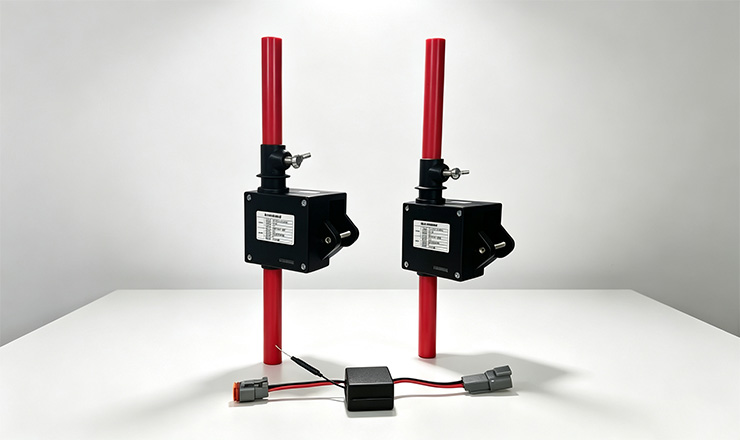
Scissor lift in Wanlitong service bay
Daily Checks
Before each shift, verify fluid levels, tyre condition, and function of all controls and alarms. Listen for unusual pump noise and watch for slow or jerky lift motion, which often signals hydraulic or electrical trouble. A one-minute check at the start of the day prevents a half-day breakdown later.
Weekly and Monthly
- Inspect scissor pivot pins and grease points
- Check hydraulic hoses for abrasion and leaks
- Test limit switches and emergency stop
- Clean battery terminals and confirm charge
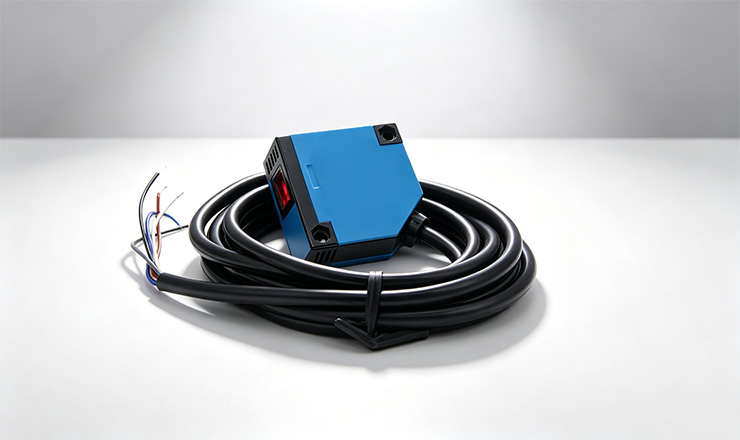
Wanlitong service and parts support
Hydraulic System Care
Use the specified fluid, keep it clean, and replace filters on schedule. Contamination is the leading cause of pump and valve wear. If the platform drifts down when parked, that points to a cylinder seal or valve issue best addressed before it worsens, because a drifting platform is both a safety hazard and a sign of internal leakage that wastes energy.
Battery and Charger
For electric models, follow a smart charging routine: avoid deep discharge, keep cells topped, and use a temperature-aware charger. Wanlitong's smart battery charger series helps balance packs and flag weak cells early, protecting both runtime and battery life, and it reduces the number of premature battery replacements that inflate fleet cost.
Seasonal Considerations
In cold storage or outdoor winter use, check that oils and batteries perform at low temperature. In dusty environments, clean heat sinks and motor vents so electronics do not overheat. Store lifted equipment with the platform down and the battery charged, and keep the machine under cover where practicable to limit corrosion.
Keep Records
Log every service with date, hours, and parts used. Good records reveal wear trends, justify warranty claims, and raise resale value. When a component fails, fit a genuine OEM part so the repair matches the original specification. Wanlitong's spare-parts distribution center stocks the scissor lift components you need to keep this routine simple.
Frequently Asked Questions
How often should a scissor lift be serviced?
Daily checks of fluids, tyres, and controls, plus weekly or monthly inspection of pivot pins, hoses, limit switches, and batteries. Records of date, hours, and parts used reveal wear trends and support warranty claims.
Why does hydraulic fluid matter so much?
Contamination is the leading cause of pump and valve wear. Use the specified fluid, keep it clean, replace filters on schedule, and investigate platform drift promptly, as it signals internal leakage.
How should I store a scissor lift seasonally?
In cold or dusty conditions, verify oils and batteries perform at temperature, clean heat sinks and vents, and store with the platform down and battery charged, under cover where practicable to limit corrosion.
What is the biggest maintenance mistake to avoid?
Ignoring a small fault until it becomes a failure. A sticky limit switch or weak beacon is cheap to fix early and expensive once it strands a machine or causes downtime. A disciplined daily check plus genuine OEM spares keeps a scissor lift earning instead of waiting on repair.
Need a maintenance spare-parts kit?
Joystick, E-Stop, limit switch, cables — factory-direct.