Height, Reach & Load: How to Read Aerial Platform Specification Sheets
Specifications decide whether a platform can do your job safely. Yet spec sheets hide traps: a headline height may not be the usable height, and capacity can collapse with outreach. This article teaches you to read aerial platform specs with a critical eye, so the machine you order is the machine you actually need on site.
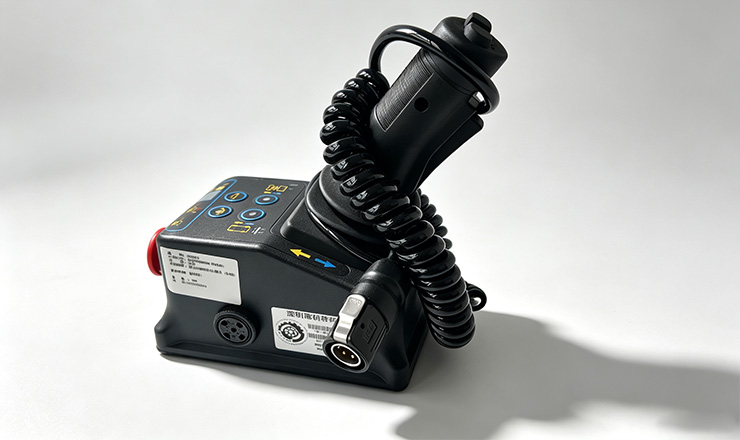
Comparing aerial platform specifications
Working Height vs Platform Height
Platform height is the deck height; working height adds roughly 2 metres for a person's reach. Always plan to working height, because that is what lets an operator touch the work. A '20 m' machine usually means about 18 m platform and 20 m working, and confusing the two is a common cause of a platform that arrives just short of the task.
Capacity Nuances
- Rated platform capacity: total of people, tools, and materials
- Restricted/dual-zone: capacity may drop when extended
- Drive-while-raised: some models forbid it at full capacity
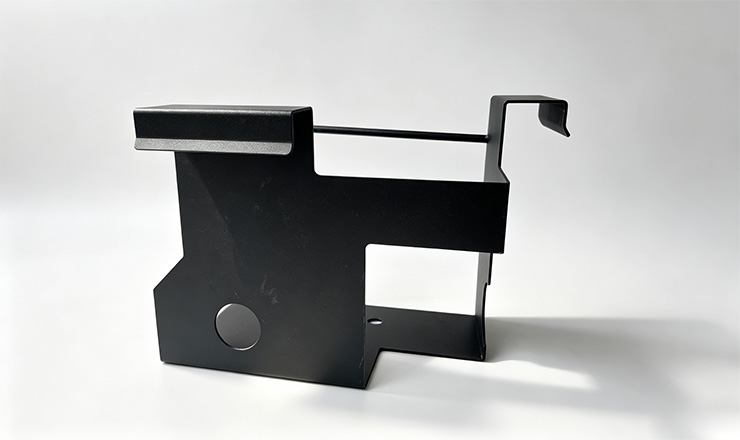
Wanlitong platform matched to spec
Horizontal Reach
Reach is how far the basket clears the chassis—critical for working over obstacles. Reach and capacity trade off: the further out, the less you can lift. The load chart on the machine, not the brochure, is the binding limit at any position, so read it on the unit itself before the lift, not just in the sales literature.
Ground and Environment
Check maximum slope, wind rating, and indoor/outdoor suitability. Electric models suit interiors and low-emission zones; diesel 4×4 models handle rough terrain. Note any outrigger or stabiliser requirement that changes the setup footprint, because that affects where you can actually deploy the machine.
The Fine Print
Read tie-down points, transport dimensions, and weight for delivery planning. Confirm certifications (CE or local) and the listed OEM spare-part references so future service is straightforward. Pick the platform that meets your highest, furthest, and heaviest regular need—with margin—then use the load chart daily. Wanlitong's team can map your duty cycle to the right boom lift, scissor lift, or telehandler and supply the matching parts.
Frequently Asked Questions
What is the difference between platform and working height?
Platform height is the deck height; working height adds roughly 2 metres for an operator's reach. Always plan to working height so the machine actually reaches the task rather than arriving just short.
Does capacity change with outreach?
Yes. Reach and capacity trade off: the further the basket extends, the less it can lift. The load chart on the machine—not the brochure—is the binding limit at any position, so read it before the lift.
What fine print affects delivery?
Transport dimensions and weight, tie-down points, certifications such as CE, and listed OEM spare-part references all matter. Confirm outrigger or stabiliser footprint and ground slope limits for the real site.
Why do two machines with the same height differ in price?
Outreach, capacity, power type, and terrain rating all vary independently of height. A compact indoor scissor and a rough-terrain boom may share a headline height yet serve completely different jobs, so compare the full spec sheet and load chart, not just the number in the headline.
Need a maintenance spare-parts kit?
Joystick, E-Stop, limit switch, cables — factory-direct.