
Emergency Stop Systems and Limit Switches on Aerial Work Platforms
Emergency stop buttons and limit switches are the quiet guardians of every aerial work platform. They rarely get attention—until the moment they prevent an accident. This article explains what they do, how to test them, and why genuine parts matter, because these components sit squarely in the machine's safety path and deserve more respect than they usually get.
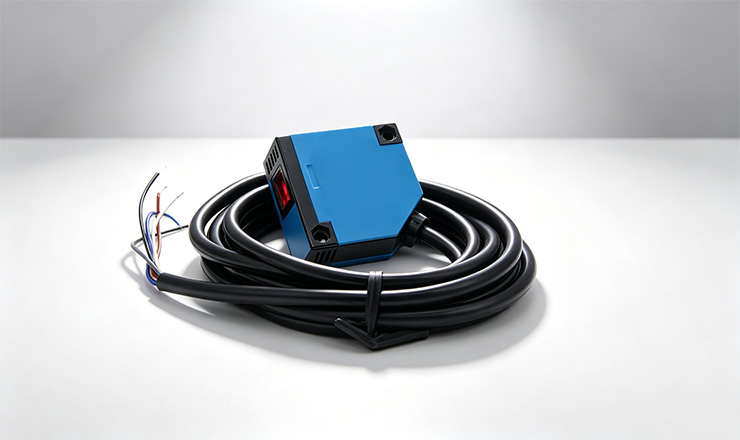
Aerial platform emergency stop and switches
Emergency Stop (E-Stop)
An E-stop is a fail-safe switch that cuts power to motion immediately when pressed. Platforms have one in the basket and usually one at the base. A proper E-stop latches in the off position and must be twisted or lifted to reset—preventing accidental restart, which is exactly what you want when someone has hit the button in response to a hazard.
Daily Test
- Press both E-stops; confirm all motion halts
- Verify they latch and require deliberate reset
- Check the beacon/alert reacts as designed
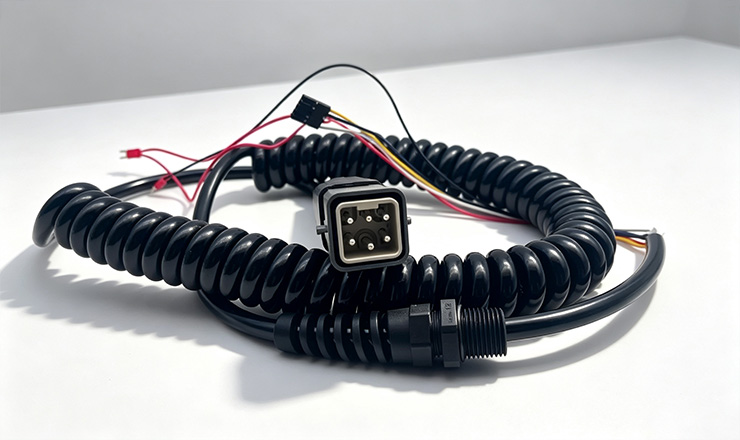
Switch inspection at Wanlitong service
Limit Switches
Limit switches cap travel at the ends of boom, scissor, or drive range so the machine cannot over-extend or crush its own structure. Wireless and diffuse photoelectric types are common on modern platforms. If a limit switch fails, the platform may over-travel—dangerous and damaging—so a suspect switch is never worth ignoring until the next service.
Signs of Trouble
- Travel does not stop at the expected end
- Intermittent loss of a function near the limit
- Fault code referencing a specific switch
Why Genuine Replacement
These components sit in the safety path. A genuine Wanlitong E-stop, toggle, key switch, or wireless limit switch matches the original rating and logic, so the safety case holds. A mismatched aftermarket part can fail to cut power or fail to reset—exactly when you need it most, and exactly the failure mode that turns a near-miss into an incident.
Make Testing a Habit
Include E-stop and limit-switch checks in every pre-operation inspection, and replace suspect parts from Wanlitong's OEM stock before they fail in service. Safety systems earn their keep silently; keep them honest with routine tests, and train operators to treat a failed safety device as a stop-work condition until it is fixed.
Frequently Asked Questions
How do I test an emergency stop?
Press both the basket and base E-stops and confirm all motion halts; verify they latch and need a deliberate twist or lift to reset, and that the beacon or alert reacts as designed during the test.
What are signs of a failing limit switch?
Travel that does not stop at the expected end, intermittent loss of a function near the limit, or a fault code naming a specific switch. A suspect switch is a stop-work condition until fixed.
Why fit genuine safety components?
These parts sit in the safety path. A genuine Wanlitong E-stop, toggle, key switch, or wireless limit switch matches the original rating and logic, so the safety case holds and the machine resets reliably.
How often should safety systems be inspected?
As part of every pre-operation check, not just annual service. Daily testing of E-stops and limit switches catches drift and damage early, and Wanlitong's OEM spares let a failed component be swapped quickly so the machine returns to service with its safety case fully intact.
Need a maintenance spare-parts kit?
Joystick, E-Stop, limit switch, cables — factory-direct.