Renting vs Buying an Aerial Work Platform: Total Cost of Ownership
Should you rent or buy an aerial work platform? The answer depends less on the sticker price and more on how often you use it, for how long, and what hidden costs you carry. This article frames the decision around total cost of ownership (TCO), the method that prevents buyers from optimising the purchase price while ignoring everything that follows.
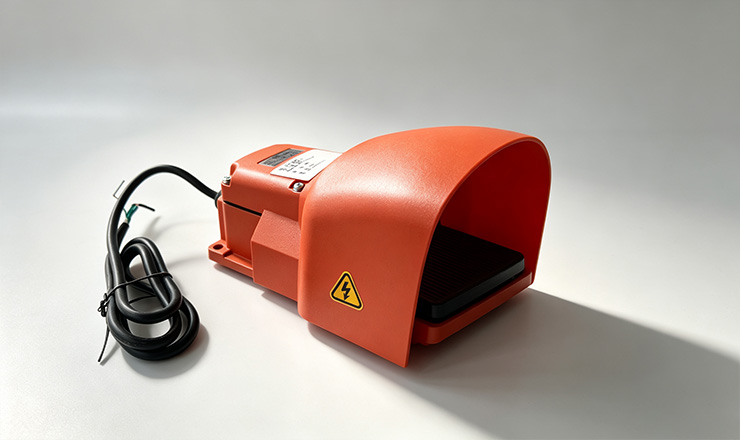
Aerial platforms ready for rent or sale
What Buying Really Costs
The purchase price is only the start. Ownership includes finance, insurance, storage, scheduled service, batteries and chargers, tyres, operator training, and eventual resale value. A boom lift used sporadically still ages, needs inspection, and loses value while sitting, so the true cost is the sum of all of those over the years you keep it.
Ownership Cost Drivers
- Utilisation: days per year the machine actually works
- Service and OEM spare parts over the life
- Depreciation and resale timing
- Storage, insurance, and compliance paperwork
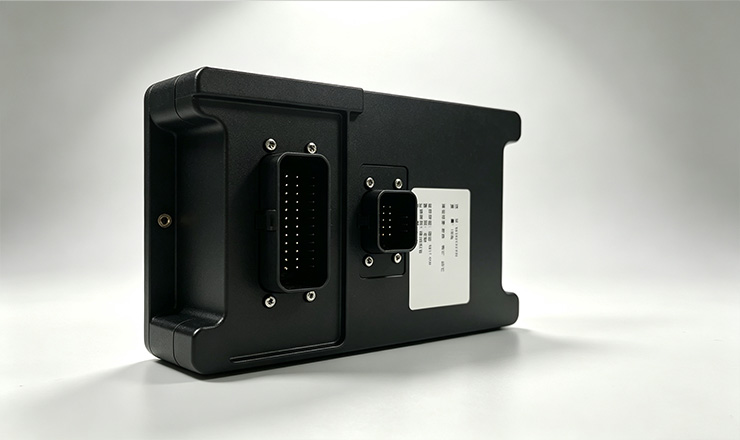
Fleet options: rental or owned
What Renting Buys You
Rental converts a capital cost into an operating cost and shifts maintenance, certification, and downtime risk to the supplier. It suits peak periods, one-off projects, and trying a model before committing. The trade-off is that steady, heavy use makes rental more expensive than ownership over time, and you never build equity in the asset you have paid to use.
A Simple Rule of Thumb
If a platform would work most weeks of the year, buying usually wins on TCO. If you need height access for a few weeks a quarter, rental usually wins. Between those, a blended fleet—own the core, rent the peaks—often optimises both cost and flexibility, and it protects you against a sudden surge in demand.
Don't Forget Support
Whether you rent or buy from Wanlitong, you get the same OEM parts network and service discipline. For buyers, that protects resale value; for renters, it protects uptime. Factor response time and parts availability into the comparison—they are real, recurring costs that decide whether the machine earns or sits. Wanlitong offers new, certified-used, and rental options; talk to the team to model TCO for your specific duty cycle.
Frequently Asked Questions
When does buying beat renting?
If a platform works most weeks of the year, buying usually wins on total cost of ownership. Ownership also builds equity and protects resale value when supported by a strong OEM parts network.
When is renting better?
For peak periods, one-off projects, or trialling a model, rental converts capital cost into operating cost and shifts maintenance, certification, and downtime risk to the supplier.
What is a blended fleet?
Owning the core machines you use constantly while renting for surges. It optimises both cost and flexibility and protects against sudden demand spikes without over-investing in idle assets.
How do I decide the split for my business?
Track actual utilisation for a few months: machines used most weeks justify ownership, occasional-use models justify rental. Wanlitong can model total cost of ownership for your specific duty cycle and suggest which platforms to own, which to rent, and which spare parts to keep on the shelf.
Need a maintenance spare-parts kit?
Joystick, E-Stop, limit switch, cables — factory-direct.